
A third of the running cost of electric storage
Electric Heat Pump Hot Water Systems
Hot water is usually the second largest energy use in a house after heating, and on an old electric storage tank it can be the largest. A heat pump does the same job for about a third of the electricity, using the same technology as a reverse cycle air conditioner, with the heat going into a tank of water instead of a room.
- REC 37223
- Melbourne west
- Fixed quotes
The short answer
A heat pump hot water system uses roughly one third of the electricity of a conventional electric storage system, because it moves heat from the outside air into the tank instead of using an element. Supplied and installed it runs $3,000 to $4,500 before incentives. After stacking Solar Homes of up to $1,000, or up to $1,400 for a locally made product, the Victorian Energy Upgrades invoice discount and federal STCs worth roughly $300 to $600, most Victorian households pay from a few hundred dollars up to about $1,500.
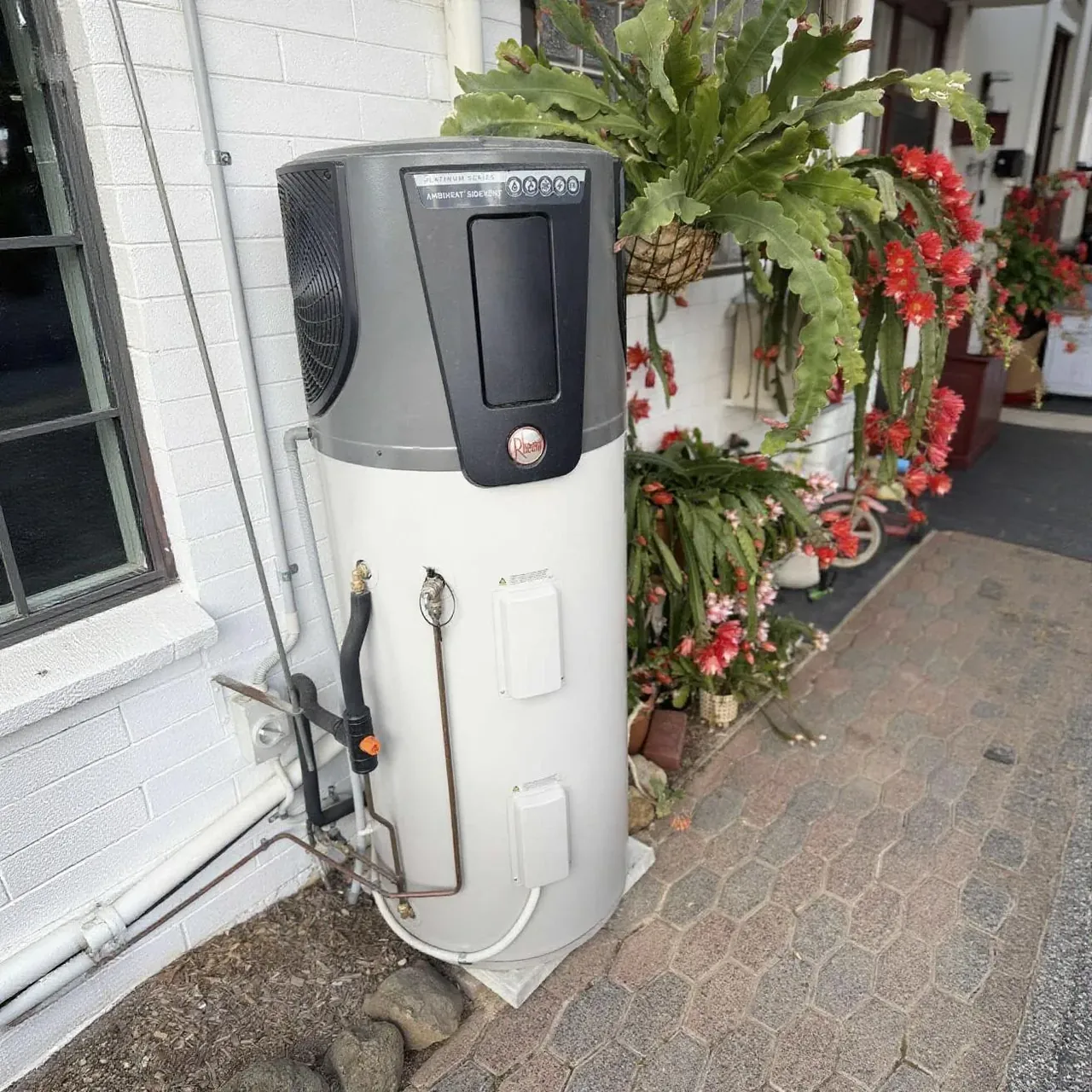
The incentive structure in Victoria currently makes this the most heavily supported appliance swap available to a household, which is why the installed cost and the price you actually pay look so different. Pivot installs these across the western suburbs, ABN 87 689 296 937, REC 37223.
How it works and what it costs to run
A small compressor and fan sit either on top of the tank or in a separate unit beside it. The fan draws in outside air, the refrigeration circuit extracts heat from it, and that heat is transferred into the water. The element that a conventional electric tank relies on is only used as a backup in very cold conditions or for periodic sanitising cycles on some models.
Because it is moving heat rather than creating it, the system needs roughly a third of the electricity of a conventional electric storage tank for the same hot water. That is the whole proposition. Everything else on this page is about cost, placement and doing it properly.
What you pay, once the incentives stack
A supplied and installed heat pump hot water system runs $3,000 to $4,500 before incentives, depending on tank size, brand and how much work the changeover involves. Three separate incentives can then apply to the same job.
Solar Homes contributes up to $1,000, or up to $1,400 for a locally made product, and carries a combined household income cap of $150,000 from 1 July 2026. Victorian Energy Upgrades applies its discount directly to the invoice, with no income test, on properties at least two years old and a minimum customer contribution of $200 including GST. Federal small scale technology certificates are worth roughly $300 to $600 and are normally assigned to the installer and taken off the price. Stacked, most households end up paying from a few hundred dollars up to about $1,500. The VEU program changed on 30 September 2026, so we confirm the current amounts on your quote.
Placement, noise and the neighbour test
This is the part that gets rushed and then complained about. A heat pump has a fan and a compressor, so it makes noise, generally in the range of a quiet fridge to a running split system outdoor unit. It also blows cold air out and produces condensate, both of which need somewhere sensible to go.
We look for a position with clear airflow, away from bedroom windows, and ideally away from a neighbour bedroom window on the other side of a narrow boundary. On the tight side setbacks common in Yarraville, Seddon and Newport that can mean moving the tank from where the old one sat. We would rather have that conversation at quote stage than after the unit is running at 5 am on a timer.
Airflow
The unit needs a supply of outside air and somewhere for the cold exhaust to go. Boxing it into a tight alcove reduces performance.
Noise direction
Point the fan discharge away from bedrooms, both yours and the neighbours. Distance and direction matter more than the decibel rating.
Condensate
The unit makes water while it runs and it must drain somewhere appropriate, not onto a path where it becomes a slip hazard.
Slab and access
A level base and clearance for service. Tanks are heavy and awkward when full and access affects the install cost.
Sizing and running it on solar
Tank size follows household size and habits, not house size. As a general guide, 170 to 220 litres suits one or two people, 250 to 280 litres suits three or four, and 300 litres or more suits five or more or households with a big morning demand and long showers.
The timer is where the running cost gets interesting. Set the unit to heat in the middle of the day and a household with solar can run most of its hot water on its own generation, since exported energy is worth very little now. It also happens to be the warmest part of the day, which is when a heat pump works most efficiently. That is a better arrangement than the old overnight controlled load habit for anyone with panels on the roof.
Being straight about the downsides
A heat pump is not silent, it is physically larger than the tank it replaces on most models, and it heats more slowly than a gas instantaneous unit which means a badly sized tank can be run dry by four teenagers in a row. On very cold mornings the element may cut in briefly, which is normal and slightly reduces the average efficiency across a winter.
None of that stops it being the right choice for most homes. It does mean sizing and placement deserve more thought than a like for like tank swap, which is the main reason we quote on site rather than over the phone.
| Item | Detail | Amount |
|---|---|---|
| Supplied and installed | Typical domestic system before incentives | $3,000 - $4,500 |
| Solar Homes contribution | Up to $1,400 for a locally made product | up to $1,000 - $1,400 |
| Victorian Energy Upgrades | Discount applied directly to the invoice | Confirmed at quote |
| Federal STCs | Assigned to installer and deducted from price | $300 - $600 |
| Typical amount payable | After stacking available incentives | A few hundred up to $1,500 |
Solar Homes has a combined household income cap of $150,000 from 1 July 2026. VEU requires a property at least two years old, has no income test and carries a minimum customer contribution of $200 including GST. The VEU program changed on 30 September 2026, so all amounts are confirmed in writing at quote.
On the job
Electric Heat Pump Hot Water in Melbourne's west
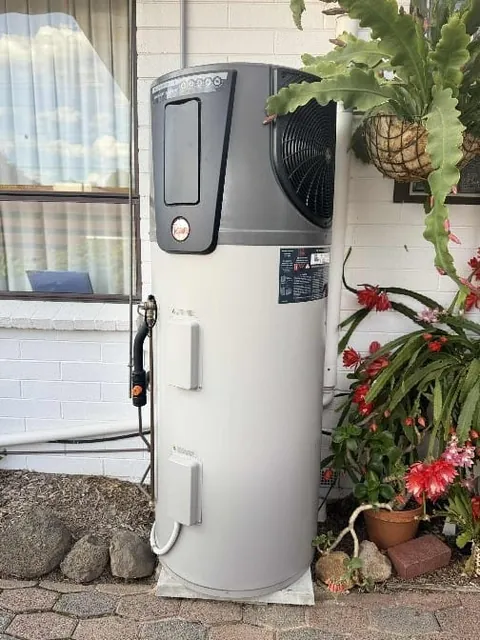
Same footprint, roughly a third of the running cost 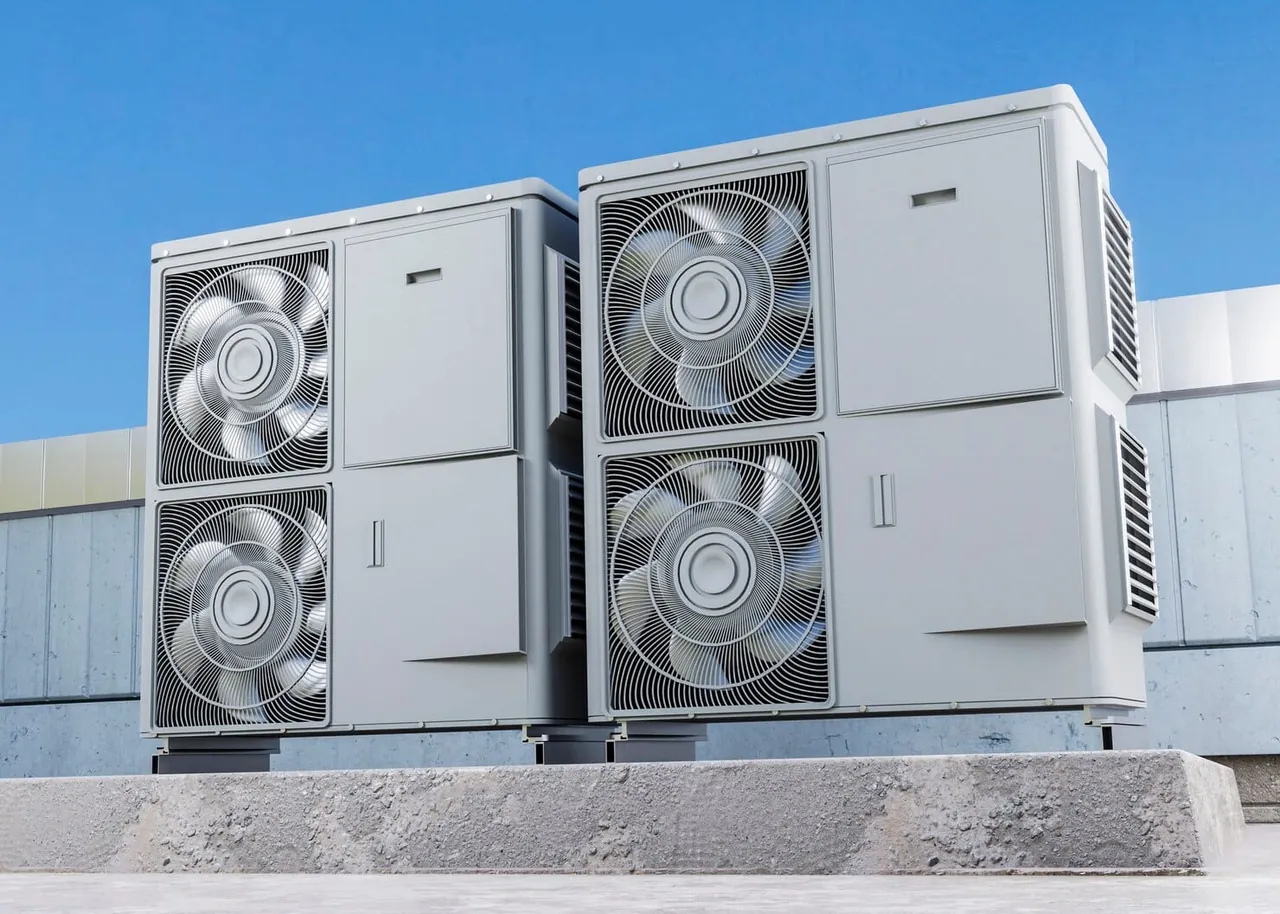
Airflow clearance matters more than most people expect
Licensed and accredited work by a local team. Read about Pivot Trade Services or see recent jobs across the western suburbs.
Answers
Frequently asked questions
A heat pump uses roughly one third of the electricity of a conventional electric storage system for the same hot water, so the saving is substantial on any household with a resistance tank. The exact figure depends on your usage, your tariff and whether you can shift the heating cycle into your solar generation window.
Often, but they have different rules. Solar Homes has a combined household income cap of $150,000 from 1 July 2026. VEU has no income test but requires the property to be at least two years old. STCs are federal and apply broadly. We check all three against your circumstances and show the net figure on the quote.
Comparable to a split system outdoor unit, and only while it is running, which is a few hours a day. The complaints we hear about almost always come back to placement rather than the equipment, typically a unit sited under a bedroom window or hard against a neighbouring boundary. Position it properly and it is a non issue.
Yes. Melbourne conditions are well inside the operating range of current heat pump hot water systems. Efficiency drops as the air gets colder and the backup element may assist on the coldest mornings, which is designed behaviour. Running the heating cycle in the early afternoon rather than overnight both improves efficiency and uses your solar.
Yes, and it is one of the most common jobs we do. The changeover involves removing the gas unit, positioning the new tank and heat pump, plumbing and a dedicated electrical circuit. If the hot water service is your last gas appliance, disconnecting the gas removes the daily supply charge as well.
Ten to fifteen years for the tank, with the compressor and fan being the parts most likely to need attention in that time. Anode replacement on a mains pressure tank extends life meaningfully and is worth doing at around five years. Coastal properties should expect a shorter life on outdoor components.
Most systems retain an electric backup element that can keep hot water running while a repair is organised. We hold repair capacity for systems we install and carry the common failure parts. Our workmanship guarantee runs 12 months and the manufacturer warranty on the tank is typically longer.
Electric Heat Pump Hot Water by suburb
- Heat Pump Hot Water Systems in Altona3018
- Heat Pump Hot Water Systems in Altona North3025
- Heat Pump Hot Water Systems in Altona Meadows3028
- Heat Pump Hot Water Systems in Seaholme3018
- Heat Pump Hot Water Systems in Williamstown3016
- Heat Pump Hot Water Systems in Point Cook3030
- Heat Pump Hot Water Systems in Werribee3030
- Heat Pump Hot Water Systems in Hoppers Crossing3029
- Heat Pump Hot Water Systems in Laverton3028
Book electric heat pump hot water
Tell us what you need and we will give you a written price, not a range that moves on the day.
- Free
- On-site quotes
- Fixed
- Written pricing
- 12 mth
- Workmanship guarantee
- 5.0★
- 63 Google reviews